

BUDDHISM INTO THE YEAR 2000 : ค้นหาหนังสือธรรมะ หน้า 52 / 135
หน้าหนังสือทั้งหมด
36
Keeping Love Alive (Cherishing Love)
Chapter 3
Keeping Love Alive (Cherishing Love)
In the book Thirty-eight Universal Steps to Eternal
Happiness, compiled for the summer program for ordained
monks by the Venerable Teacher Monk Somchai
T
In Chapter 3 of 'Thirty-eight Universal Steps to Eternal Happiness', the concept of cherishing love within marriage is explored by Venerable Teacher Monk Somchai Tanavuddho. The chapter emphasizes the
44
Understanding Kamma: The Law of Action and Consequence
A senior monk once discussed kamma:
"The word kamma is a neutral word that does not imply
good or bad since kamma means action. An action always
carries a consequence. Why do we feel full? It is becau
This text discusses the concept of kamma, which refers to actions and their consequences. It highlights how both physical laws and the law of kamma resonate with each other. The Buddha's teachings enc
46
Teaching Good Deeds for Unborn Children
The Lord Buddha taught that:
1. It is not the end of all things when we die.
2. When you perform good deeds you will go to Heaven.
3. When you perform bad deeds you will go to hell.
4. When you exting
พระพุทธเจ้าทรงสอนว่า ชีวิตหลังความตายยังไม่ใช่จุดสิ้นสุด เราควรทำความดีเพื่อไปสวรรค์และหลีกเลี่ยงการทำบาปเพื่อนำไปสู่นรก เมื่อเราสลัดกิเลสได้หมดสิ้น เราจะได้ไปนิพพาน ในวัฏจักรแห่งการเกิดใหม่ การทำบุญเ
139
The Importance of the Five Precepts in Society
4. We shall not lie, utter profanity, speak nonsense, or
use divisive words.
5. We shall not consume intoxicants such as addictive
drugs and alcohol.
These Precepts are needed to keep peace on earth.
The Five Precepts serve as fundamental guidelines for maintaining peace on earth. Originating before Buddha, they measure human behavior: full adherence results in complete humanity, while deviating r

136
The Power of the Mind
136
THE POWER OF
THE MIND
VIXII
The Power from Stillness
Regular meditation will result
in courage to overcome
obstacles and temptations,
and eventually we will take
control of our own minds. This
can
Regular meditation cultivates courage, enabling us to conquer obstacles and temptations. By stilling our minds daily, we can take control of our thoughts and actions, leading to personal empowerment.
157
The Journey to Attainment
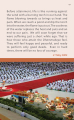
Before attainment, life is like running against
the wind with a burning torch in our hand. The
flame blowing towards us brings us heat and
pain. When we reach a pond and dip the torch
into the water,
Before reaching the state of Dhammakaya, life resembles a struggle against the elements with a burning torch, symbolizing suffering and challenges. Upon attainment, represented by dipping the torch in
181
Achieving Stillness in Meditation
Once your mind is completely still, it will drop the words,
"Samma Arahang" or "clear and bright" by itself, as if you
are forgetting to recite this mantra, or feel that you don't
want to recite the m
This text outlines the process of achieving a state of complete stillness during meditation. It emphasizes the importance of letting go of verbal mantras and instead focusing on a vision of a bright c
14
Wisdom Across Religions: An Interview with Luang Por
Interview
They all have the same goal. By using the TV program
we can learn much from the other religions and
incorporate the wisdom into our daily lives.
Luang Por Indeed, all the mainstream religion
In this enlightening interview, Luang Por discusses the commonalities among major religions and the importance of incorporating their wisdom into daily life. It marks Luang Por's first appearance on N
4
Family Day By Day
The Dhammakaya Foundation
First edition 2008
Published by The Dhammakaya Foundation
40 Moo 8, Khlong Song, Khlong Luang,
Pathumthani 12120, Thailand
Tel. +66(0)2 831-2510 Fax. +66(0)2 831-2504
Copyrig
This book, 'Family Day By Day', published by The Dhammakaya Foundation, offers insights into integrating Dhamma teachings into everyday family life. Authored by Phrabhavanaviriyakhun and translated by
9
The Power of Boonya and Meditation
(3) Meditate to purify the mind (meditation is simply the act
of calming and clarifying the mind and it is not necessarily
related to any religion). It is easy to see that anyone, anywhere
can comfort
Meditation helps clarify the mind and can be practiced by anyone. Good deeds, or boonya, accumulate positive energy that leads to happiness and stability. The intention behind actions matters signific
31
Navigating Family Life and Marriage Challenges
Part One: Family Life
if there are in-laws heavily involved in our relationship, we
will have to endure conflicts from them as well. No matter how
good a relationship is, we will inevitably encounter
Part One of this exploration highlights the complexities of family life, particularly the impact of in-laws on relationships and the necessity of resolving personal issues before marriage. The text em
48
Raising Children: Cultivating Supreme Characteristics
Part Two: Raising Children
wisdom and moral training from their parents (Group
#4). Even though they may not be wealthy, these children
have the ability to develop into successful, wealthy and
moral a
In developing children into successful and moral adults, it is essential for parents to consider the qualities they want their children to possess. The text highlights three supreme characteristics: p
54
Raising Children: The Four Requisites for Success
Part Two: Raising Children
using the four requisites. We will need to ask ourselves if we
have the ability to maintain quality (always delivering our
best); ability to manage our time (seeing all the
In raising children, it's crucial to embody qualities of quality, time management, and financial prudence, as children absorb both good and bad traits from their parents. By consistently modeling thes
60
Roles of a Parent
Part Two: Raising Children
Chapter 9
Roles of a Parent
We, along with most other parents, want our children to
have successful futures. We want well-behaved, respectful,
moral children who will help t
In this chapter, we explore the essential roles parents play in their children's futures. By understanding their children's personalities and adapting to their evolving attitudes and environments, par
61
Raising Children: The Roles of a Parent
Part Two: Raising Children
When our children are young, we are everything to
them. As they grow older, friends will influence their thoughts
and attitudes more and more. In the teenage years, they wil
Part Two explores how parents are central in their children's early lives and adapt as they grow. Initially, parents are everything, but as children reach their teenage years, peers begin to influence
80
Family Problems and Solutions
Part Three: Problems Within the Family
1. Money comes from hard work! We can explain
that going out at night is a waste of money. People
need to work hard to be able to purchase food, shelter
and clot
This text delves into issues facing families, emphasizing the importance of hard work for financial stability and cautioning against the dangers of peer pressure and risky behaviors. It highlights tha
159
Truth for the Family: Essential Practices for Moral Living
Part Five: Truth for the Family
2. Moral Discipline (silamaya) - Observing moral
behavior by restraining our speech and actions to do
only good; not causing turmoil for others.
3. Meditation Practice
Part Five discusses vital practices for families to cultivate a moral lifestyle. It highlights the importance of moral discipline (silamaya), meditation (bhavanamaya), and humility (apacayanamaya) amo
13
What Do Humans Really Want?
What do Humans Really Want?
are wants, not needs, and we must know how to
curb our excessive wants, so that we do not over-
indulge in our desires.
Consider an art collector. He has run out of space
i
The text delves into the distinction between wants and needs, emphasizing the negative effects of overindulgence in desires. It illustrates through the example of an art collector who, despite his wea

3
The Journey of Meditation
Contents
Introduction
Part 1: The Beginning of the Journey
Chapter 1: The Universality of Meditation • 10
Chapter 2: An Ancient Secret for the
New Millennium • 19
Part 2: Open Your Heart to the
Journe
This book offers a deep exploration into the practice of meditation, beginning with its universal appeal and continuing through its application in everyday life. The chapters guide the reader through
46
Journey to Joy
Journey to Joy
46
46
universal love, the love of all of humankind
without expectation of reward or gain.
To love ourselves in the appropriate way,
we have to still the mind by relaxing and gently
clos
In this chapter, the focus is on cultivating universal love and self-love without expectations. By relaxing the mind through meditation, individuals can achieve inner peace and a sense of cleansing th